Deck Staining
The heart of what we do. We apply premium transparent, semi-transparent, or solid stain that soaks into the wood, deepens the grain, and shields every board from UV and moisture. You pick the look; we make it last.
Serving Charlotte & surrounding areas
We clean, stain, and seal worn wood decks and fences so they stand up to Carolina sun, humidity, and afternoon storms — and look great doing it. Honest, upfront quotes, every time.
Tell us about your deck and we'll get right back to you. No pressure, no obligation.
Charlotte's deck staining specialists
Charlotte Deck Staining Co. is a local deck staining and sealing company serving homeowners across the Charlotte metro. We focus on one thing and do it well: bringing tired, gray, weather-beaten wood back to life and protecting it so it lasts.
Whether your deck needs a fresh coat of stain, a full restoration, or a fence that finally matches the house, we treat the job like it's our own backyard — careful prep, quality materials, and a finish you'll be glad you paid for.
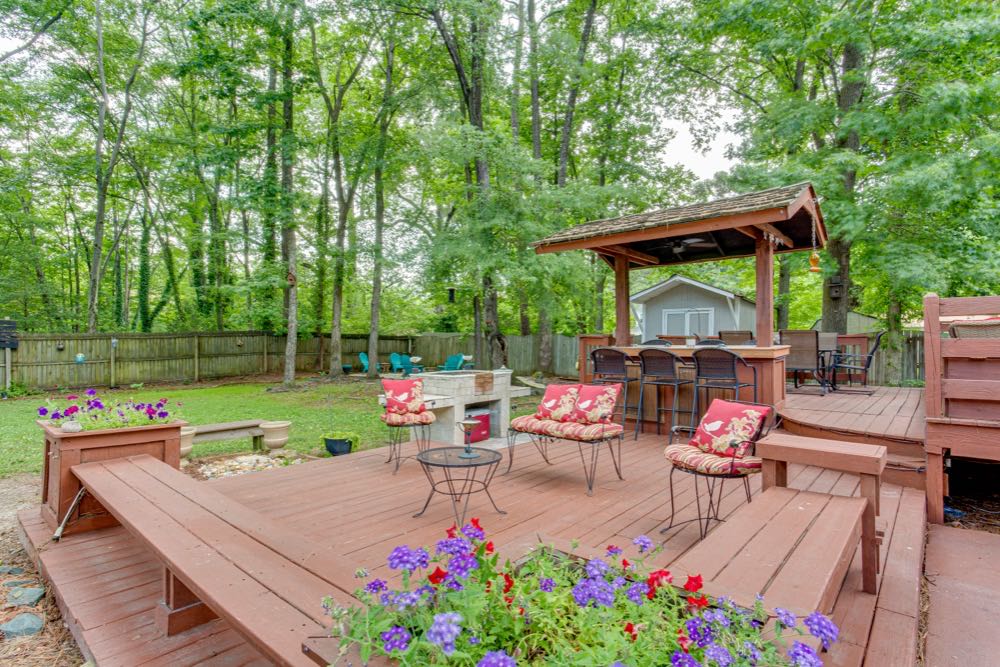
From a simple maintenance coat to a full restoration, we handle the whole job — prep included.
The heart of what we do. We apply premium transparent, semi-transparent, or solid stain that soaks into the wood, deepens the grain, and shields every board from UV and moisture. You pick the look; we make it last.
Stain adds color; sealer adds armor. A quality water-repellent seal keeps rain, dew, and humidity from soaking into the boards — the moisture that causes warping, cupping, and rot. Often paired with staining, sometimes done on its own.
Decks that have gone gray and rough aren't beyond saving. We strip or sand away the failed finish, brighten the wood, repair what needs it, and refinish from the ground up so the surface looks new again.
Stain is only as good as the prep underneath it. We pressure wash off dirt, mildew, pollen, and old flaking finish, then let the wood dry fully before a drop of stain goes on. Skip this step and any finish fails early.
Your fence takes the same beating as your deck. We stain and seal wood privacy and picket fences to slow graying and keep them looking sharp — and to match or complement the deck they sit next to.
Tell us what you're seeing and we'll point you in the right direction — and put it in writing.
Get a Free QuoteWood is a natural material, and left unprotected outdoors it doesn't stand a chance. A good stain-and-seal does several jobs at once.
Sunlight breaks down the lignin that holds wood fibers together — that's what turns a rich deck silvery-gray and leaves the surface chalky. Stain carries pigment that blocks UV the way sunscreen does for skin.
Every rain, heavy dew, and humid night, bare wood drinks in water, swells, then dries and shrinks. That cycle is what cracks boards, pops fasteners, and lifts splinters. A water-repellent seal keeps water on top, where it beads and rolls off.
Trapped moisture feeds rot and the black mildew spotting you see on shaded boards. Sealing the wood takes away the dampness they need to take hold.
Staining buys time. A deck kept on a regular schedule can last decades; the same deck left bare can need board replacement in a few short years. It's a low-cost way to protect an expensive structure — and it keeps the whole backyard looking cared-for.
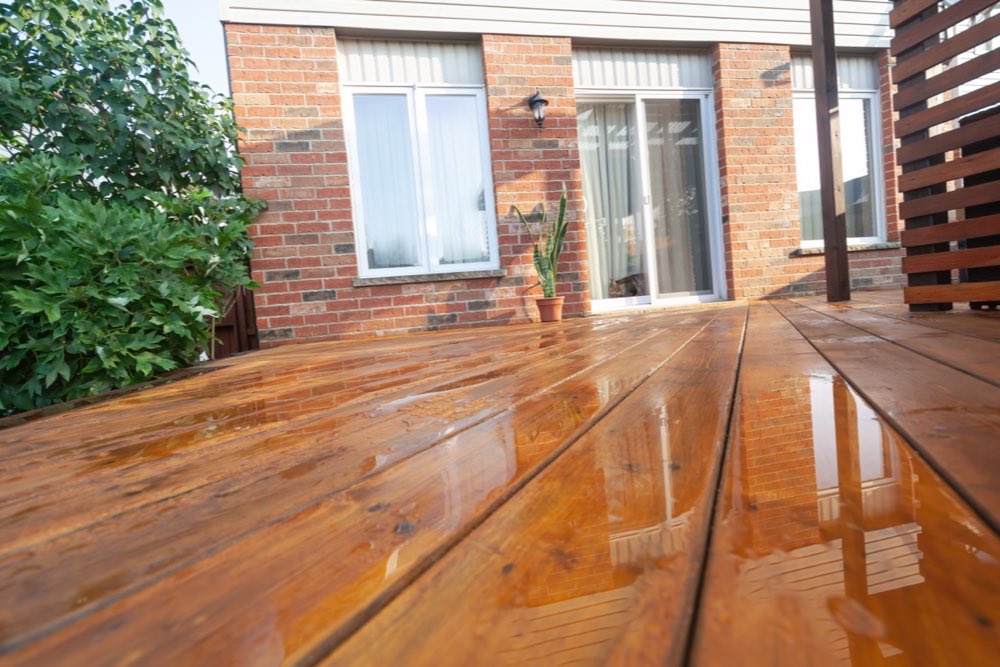
Our climate is hard on outdoor wood — harder than a lot of the country. A few things about Charlotte weather work against every deck and fence in the area.
From June through September we get weeks of high heat and heavy humidity. That combination bakes the finish from above while keeping wood damp from below — ideal conditions for mildew and for stain to break down faster than the label promises.
Charlotte sits far enough south that the summer sun is genuinely punishing. South- and west-facing decks fade first and fastest, sometimes losing much of their color in a single season.
Anyone who's parked under a tree in April knows Charlotte's pollen. That yellow-green film isn't just messy — it holds moisture against the wood and has to be washed off completely before any finish will bond. Staining over pollen is a recipe for early peeling.
Our summer pattern of sudden afternoon downpours soaks decks again and again. Boards that aren't sealed swell with every storm and check and crack as they dry back out.
Winters here aren't brutal, but we bounce above and below freezing again and again. Water soaked into unsealed wood expands when it freezes and pries the grain apart a little more each time.
Put together, a Charlotte deck simply can't go as long between stainings as one in a milder, drier climate. Staying on a regular schedule is the difference between a quick maintenance coat and a full, expensive restoration.
Drag the slider to compare a weathered, gray deck with the same wood cleaned, stained, and sealed.
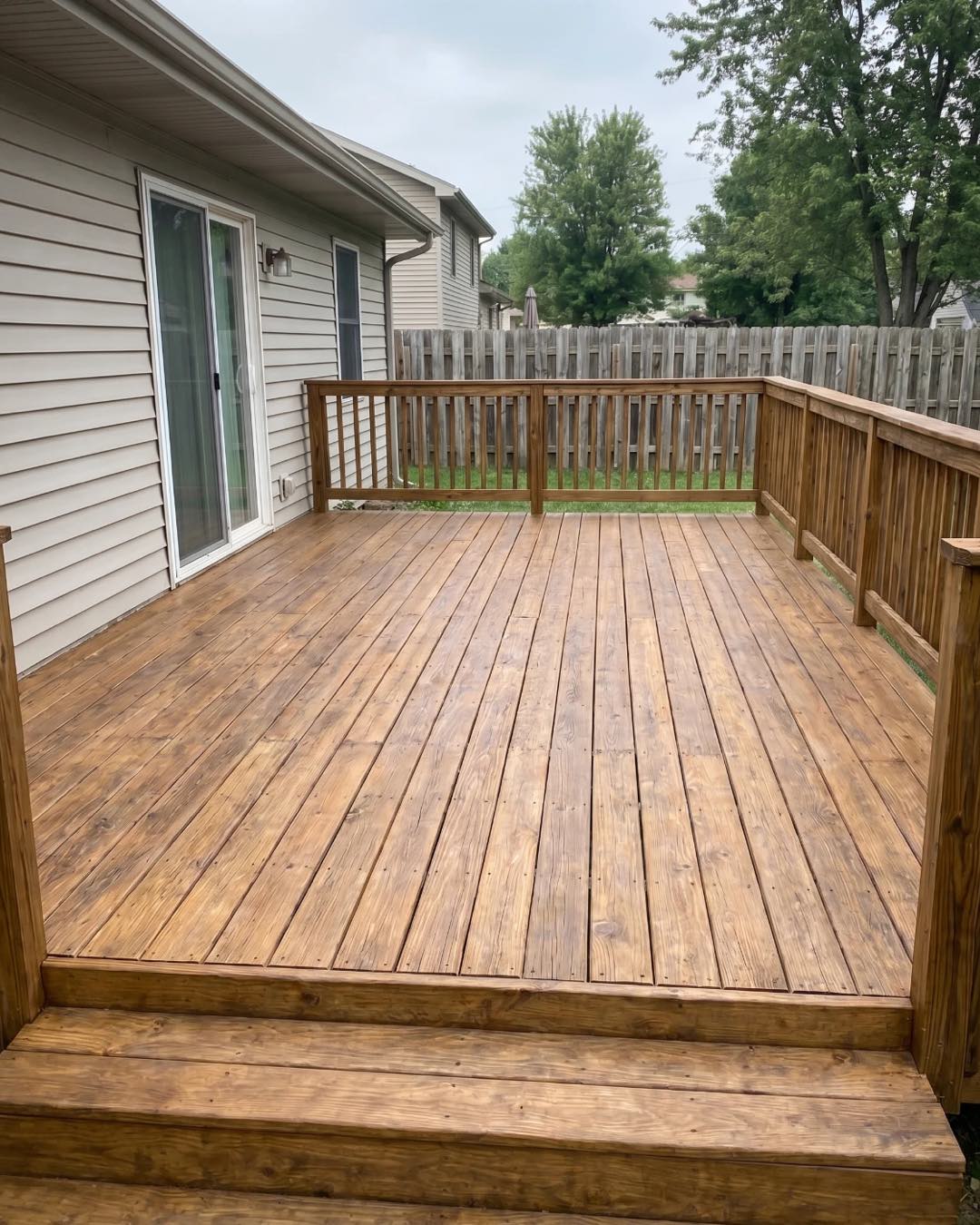
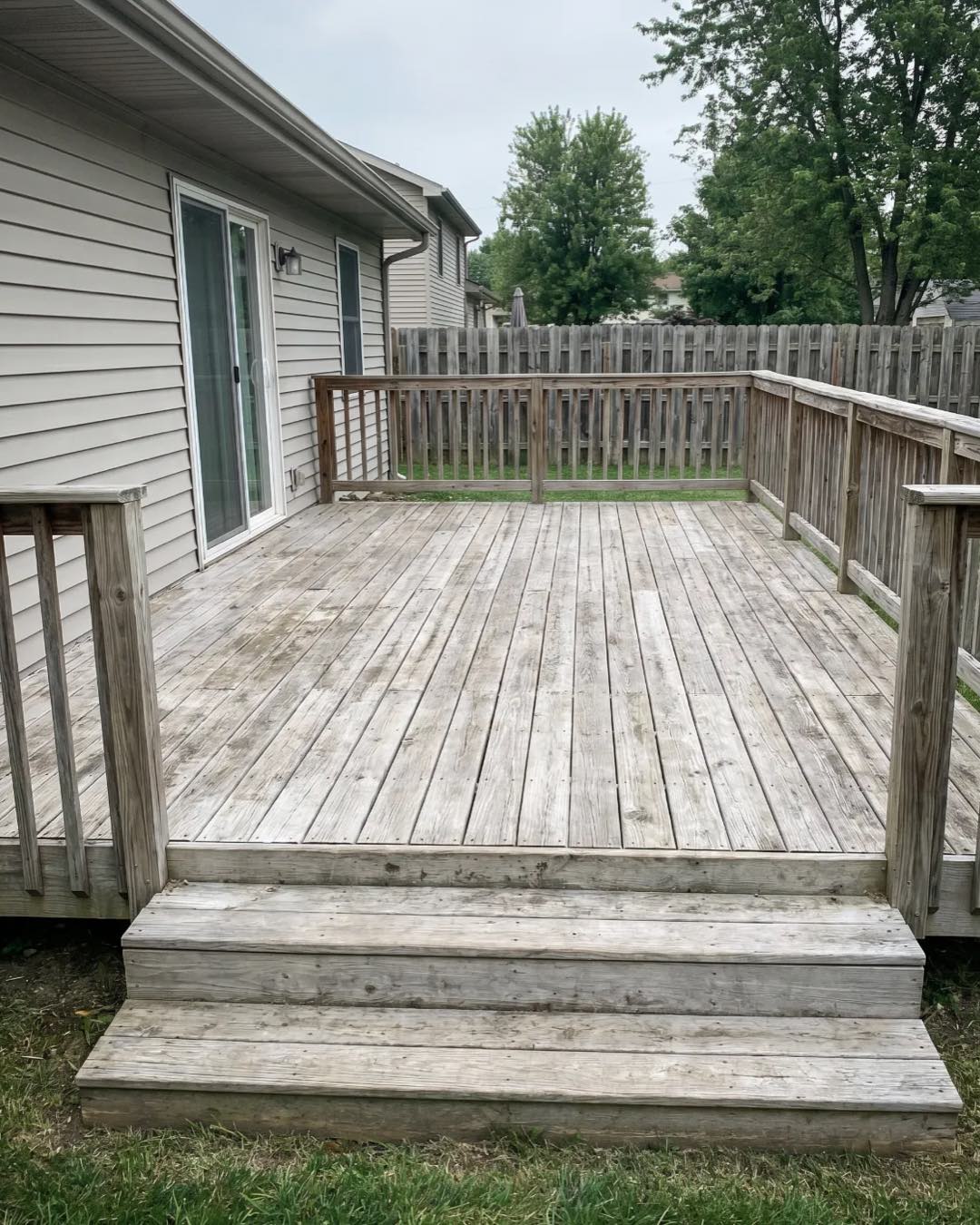
A careful, repeatable process is what separates a finish that lasts from one that flakes off in a year.
We walk the deck with you, check the boards, railings, and fasteners, and talk through the look you want. Then you get a clear, written quote — no guesswork.
We pressure wash off years of dirt, mildew, and pollen, and use a wood brightener where it helps. Then we let the wood dry to the right moisture level — rushing this is the number-one reason finishes fail.
We re-secure popped nails and loose screws, flag any boards that need attention, and sand rough or splintered areas smooth so the finish goes on even.
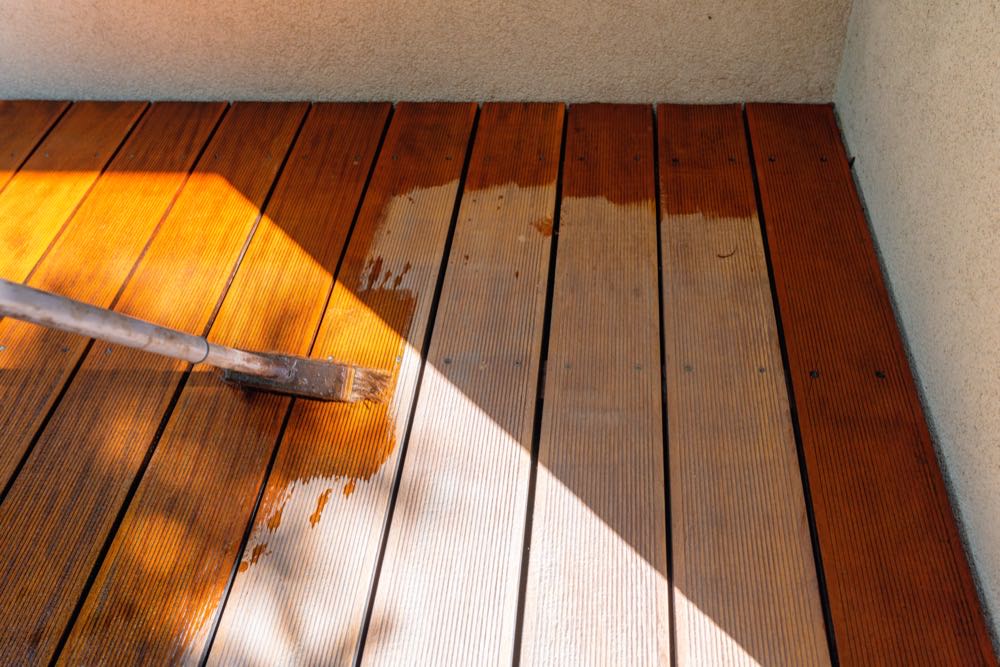
We apply your chosen stain and a protective seal, working it into the grain and along every edge and end-cut where water likes to get in.
We clean up, walk the finished deck with you, and explain how to keep it looking good and when it'll be ready to use again.
One of the first questions we'll ask is how much of the wood grain you want to see. That's what separates the three main types of stain — and each trades appearance for protection and upkeep differently.
Shows off the natural wood grain and color with just a hint of tone. It looks fantastic on newer or higher-end wood, but it carries the least pigment, so it offers the least UV protection and needs refreshing most often.
Best for: shaded decks, or homeowners who love the raw-wood look and don't mind staining more frequently.
The most popular choice for Charlotte decks, and usually what we recommend. It adds real color while still letting the grain show through, and carries enough pigment to stand up to our sun without looking painted.
Best for: most decks — a balance of beauty, protection, and reasonable maintenance.
Lays down opaque color that hides the grain, like a stain-and-paint hybrid. It gives the most UV and weather protection and covers older, weathered, or mismatched boards well — but once you go solid it's hard to go back.
Best for: older decks, or matching a specific color across worn wood.
There's no single right answer — it depends on your wood, how much sun the deck gets, the look you're after, and how often you want to re-coat. We'll walk you through it on the estimate.
Not sure whether it's time? A few signs your deck is asking for attention.
Splash water on the boards. If it soaks in and darkens the wood instead of beading up, the seal is gone and moisture is getting in.
Silvery-gray, washed-out, or blotchy color means UV has worn through the finish and started breaking down the wood itself.
Raised grain, fuzzy patches, and splinters underfoot are signs the surface is drying out and deteriorating.
Old stain that's flaking, peeling, or cracking won't protect anything and needs to come off before a fresh coat goes on.
Black or green spotting, especially in shaded and north-facing areas, means moisture is sitting in the wood.
One or two signs and a maintenance coat now will save you a full restoration later. Most of them, and it's time — let's take a look.
Based in Charlotte and serving homeowners throughout the metro and surrounding towns. Nearby but don't see your area? Reach out — we likely cover you.
There's no one-size price, because cost depends on the size of your deck, its current condition, how much prep and repair it needs, the type of stain you choose, and whether railings, stairs, and a fence are included. After we see the deck we give you a clear, written, upfront quote with no surprises and no obligation. Reach out for a free estimate.
In the Charlotte climate, most decks do best with a fresh coat every two to three years. The exact timing depends on the type of stain (transparent finishes need refreshing sooner than solid ones) and how much sun and weather the deck takes. A quick water-bead test each year tells you when it's due.
The mild, drier stretches of late spring and fall are ideal. We look for a window of dry weather with moderate temperatures and no rain in the forecast for at least 24 to 48 hours after we finish, so the stain can cure. We generally avoid heavy spring pollen season and the wettest, most humid stretches of summer.
Most residential decks are a one- to three-day project, including cleaning, drying time, and staining. Larger decks, heavy restorations, and fences add time. Drying between prep and stain is the part we won't rush, because it's what makes the finish last.
Yes. Proper cleaning is essential. We pressure wash off dirt, mildew, pollen, and any failing finish, and let the wood dry fully before staining. A stain applied over a dirty or damp deck won't bond and will fail early.
For a deck surface, we almost always recommend stain. Stain soaks into the wood and wears gradually, so it's easy to re-coat. Paint sits on top, traps moisture, and tends to peel and crack on a horizontal walking surface, which means scraping and sanding down the road. Solid stain is a good middle ground if you want an opaque, painted look with better durability underfoot.
Usually not. New pressure-treated lumber needs time to dry out and weather before it will accept stain, often a few weeks to a few months depending on the wood and the weather. Staining too early traps moisture and leads to early failure. We're glad to test your new deck and tell you whether it's ready.
We'll move standard patio furniture, planters, and grills to prep and stain, and put everything back when the deck is ready. For very large or built-in items, we'll talk through the plan during the estimate.
Get a free, no-obligation quote from Charlotte's deck staining specialists. We'll take a look, talk through your options, and put it all in writing.